

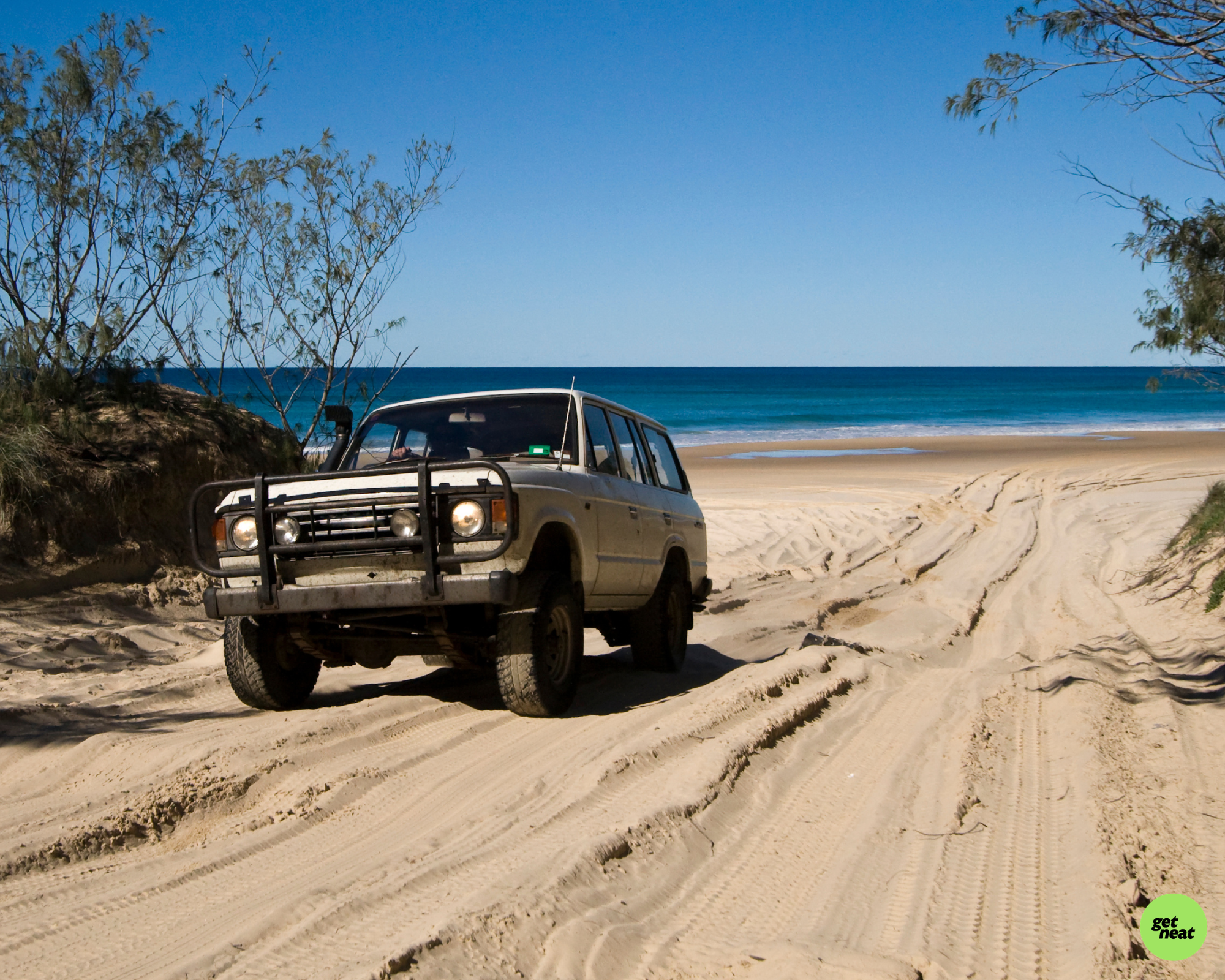
There’s nothing better than a beach day until your car comes home covered in sand, salt and hidden grime. While sand may seem harmless, it can scratch paintwork, wear down interior fabrics, clog crevices and speed up long-term wear if left untreated.
The good news? A proper clean after the beach can help protect your vehicle and keep it looking fresh.
Why Beach Sand Can Damage Your Car
Your car’s biggest beach day enemies are sand, salt and moisture.
Sand
Fine sand is abrasive and can act like sandpaper when rubbed across paintwork. It also gets trapped in carpets, seats, door seals and hard to reach areas.
Salt
Salt from sea air and ocean spray can settle on your vehicle and lead to corrosion over time, especially on wheels, undercarriage and exposed metal components.
Moisture
Wet towels, swimmers and coastal humidity can leave moisture inside your car, creating musty smells and mildew if not cleaned properly.
Even short beach trips can leave lasting damage if your car isn’t cleaned afterward.
Step 1: Rinse Before You Touch Anything
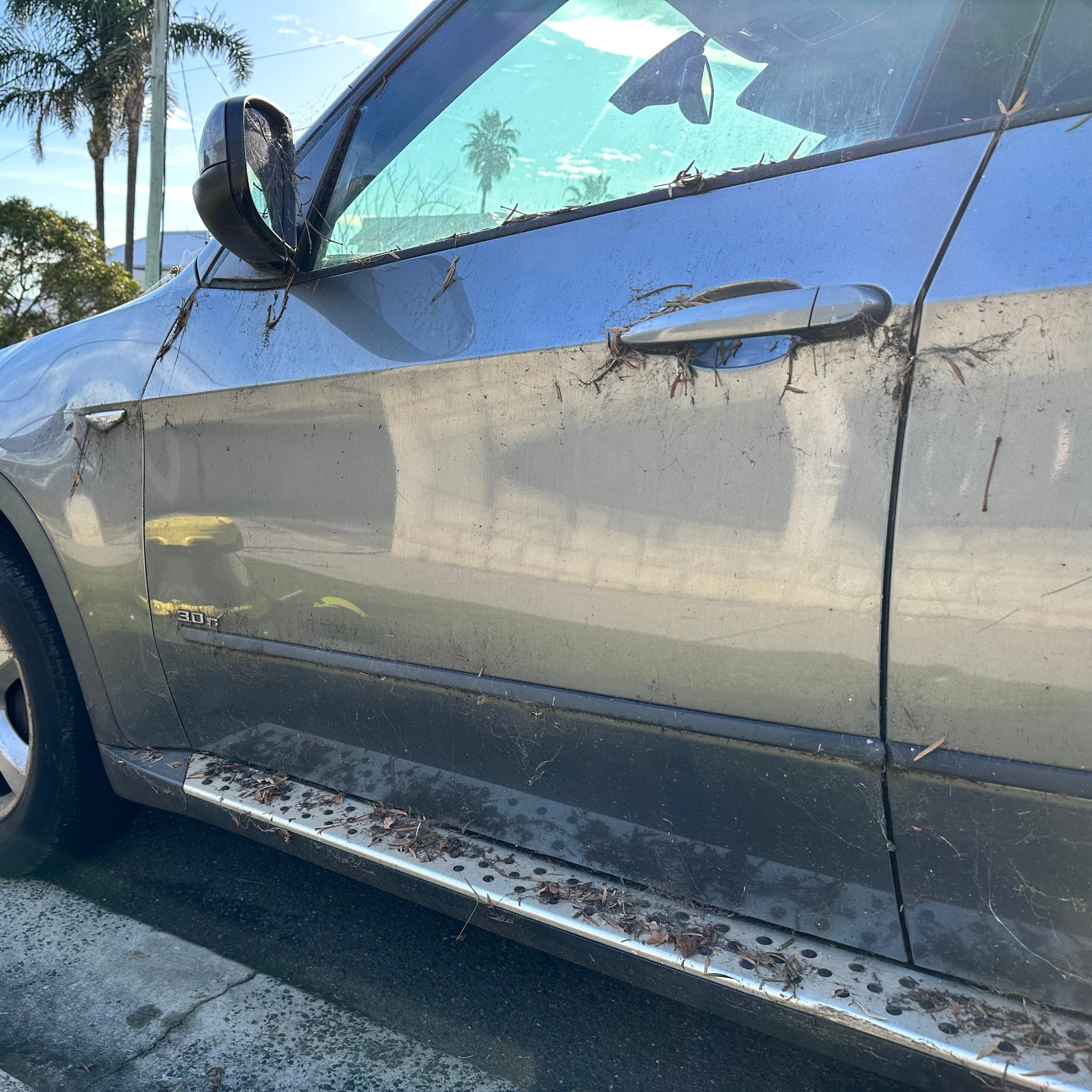
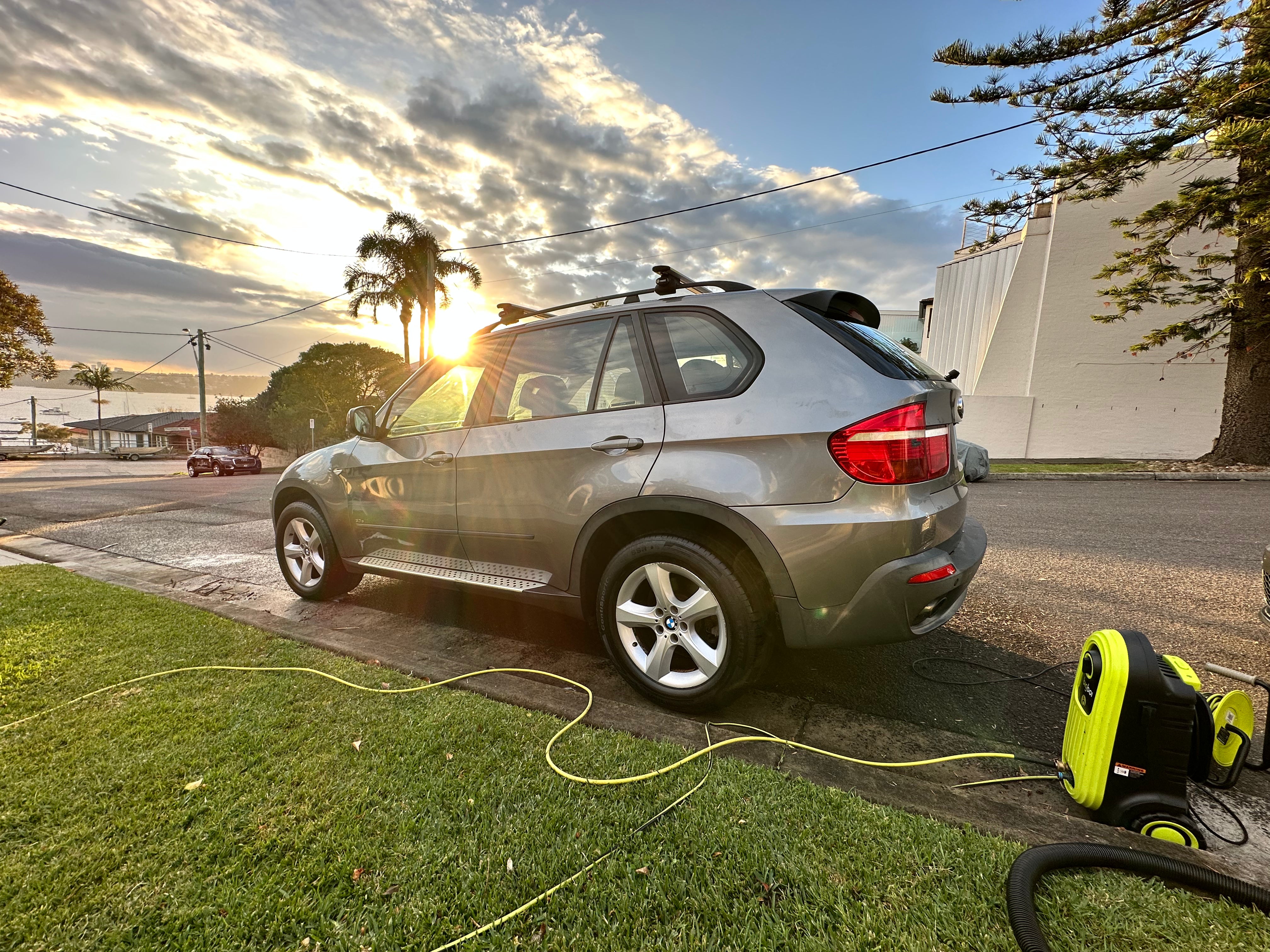
One of the biggest mistakes people make is wiping sand off a dry car. This can drag grit across the paint and create scratches. Start with a thorough rinse using fresh water.
Focus on:
-
Exterior panels
-
Wheels and wheel arches
-
Door jambs
-
Roof racks
-
Undercarriage
This removes loose sand before washing begins.
Step 2: Wash the Exterior Properly
Use a quality car shampoo and soft wash mitt.
Tips:
-
Wash from top to bottom
-
Rinse the mitt regularly
-
Use separate cloths for wheels and paintwork
-
Avoid aggressive scrubbing
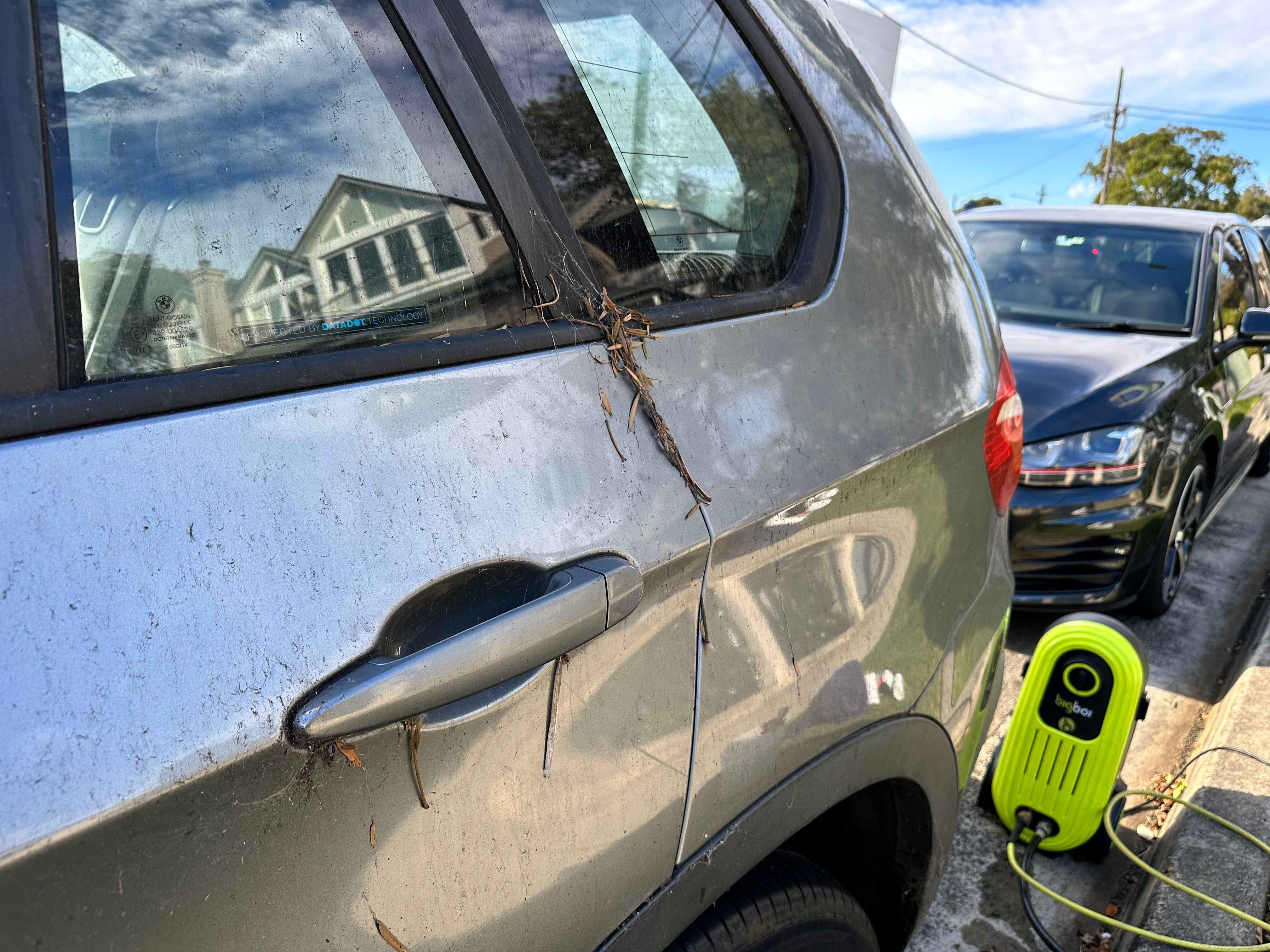
Beach grime can cling to paint, especially after hot days and salt exposure.
Step 3: Clean the Undercarriage
This is one of the most overlooked areas after a beach trip. Sand and salt often build up underneath the vehicle, where corrosion can start unnoticed.
Use:
-
Hose with underbody attachment
-
Pressure rinse
-
Professional detailing service for deeper cleans
If you visit the beach regularly, underbody cleaning is highly recommended.
Step 4: Remove Sand from the Interior
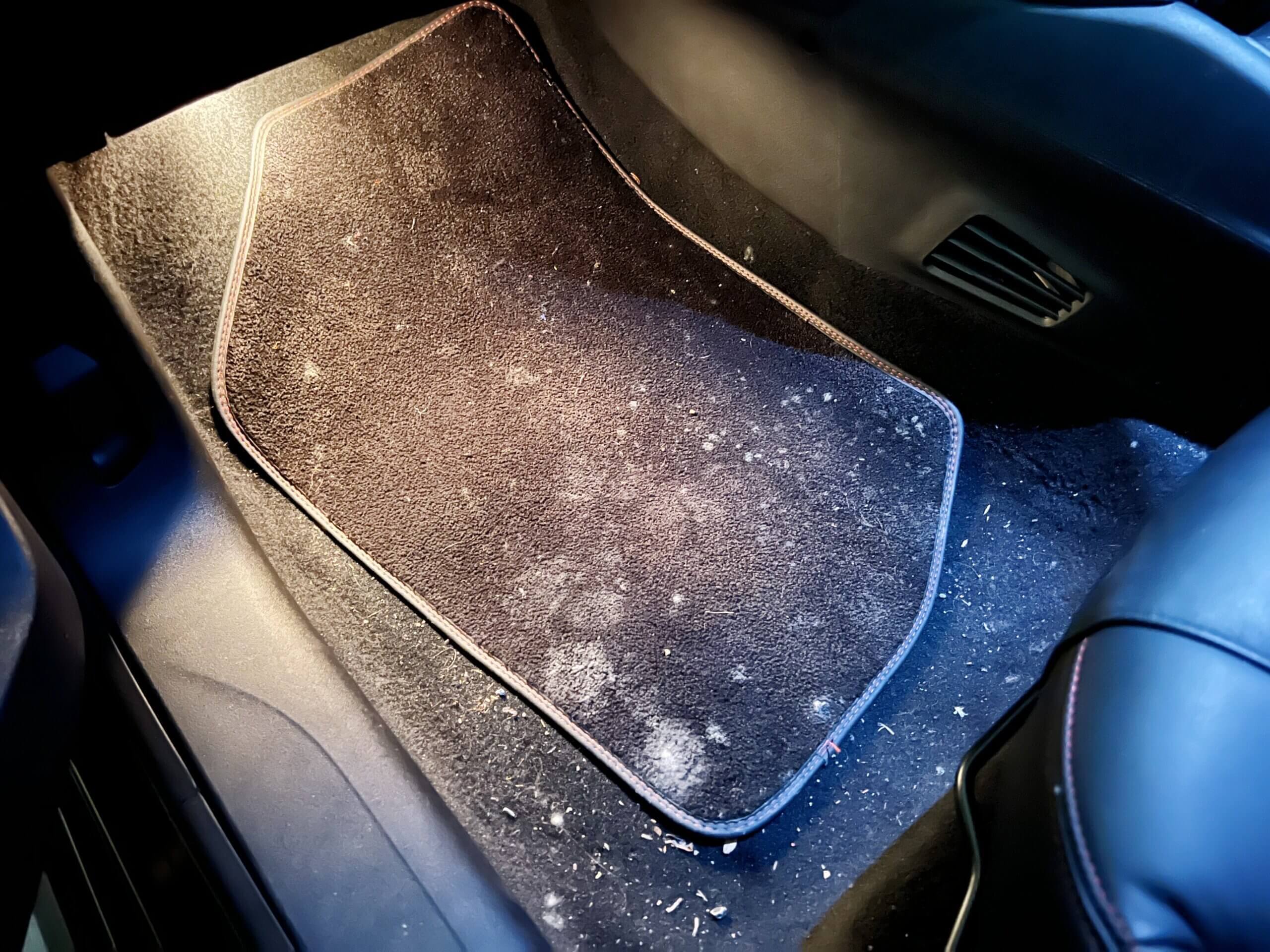
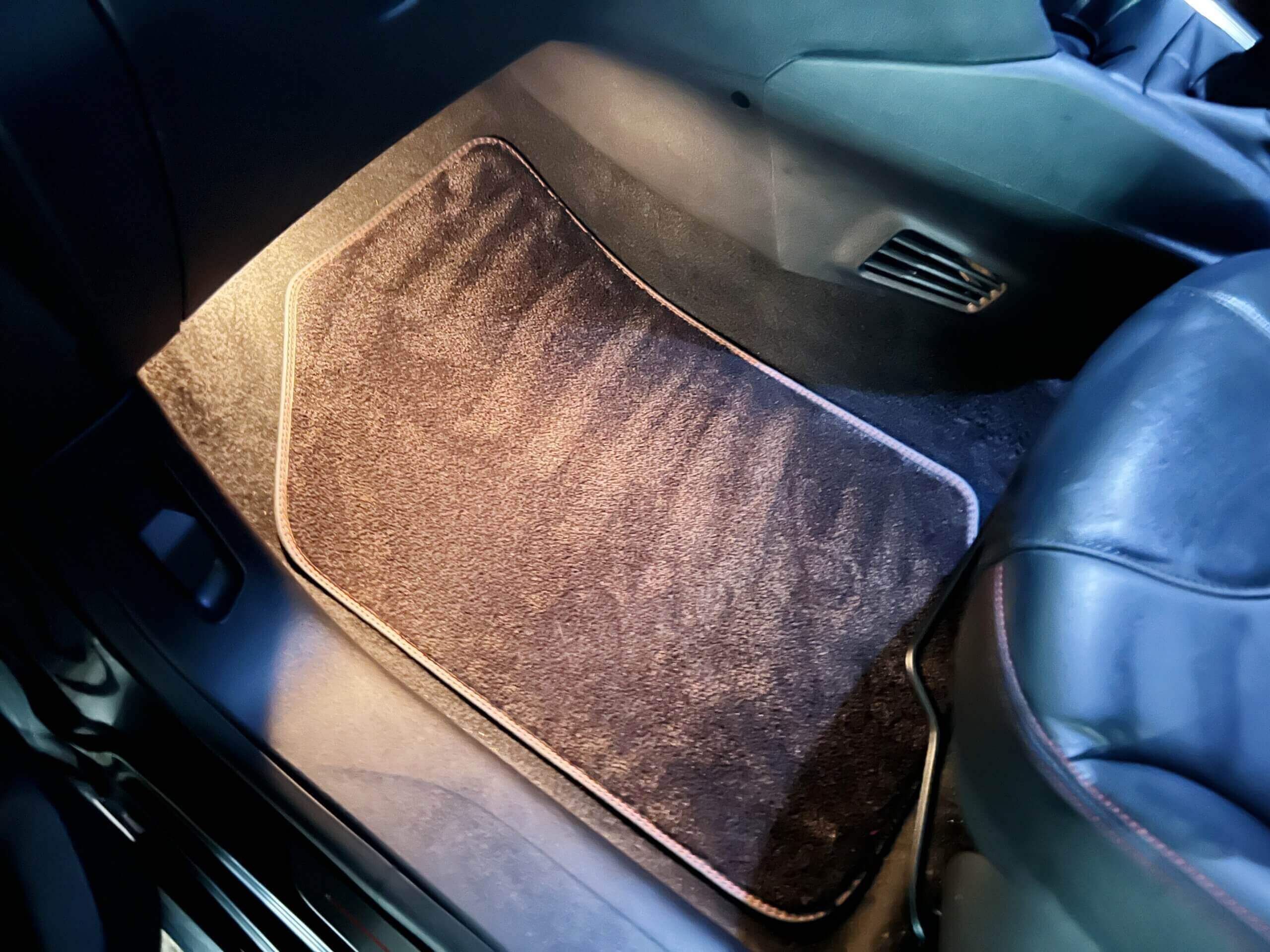
Beach sand gets everywhere - mats, carpets, seats and boot space.
Best approach:
-
Remove floor mats and shake them out
-
Vacuum carpets and seats thoroughly
-
Wipe hard surfaces with microfiber cloth
-
Clean cupholders, trims and tight spaces
Interior sand can continue scratching plastics and wearing fabrics long after the trip ends.
Step 5: Dry the Vehicle Properly
After washing, dry the car with a clean microfiber towel to avoid water spots.
Open doors and the boot briefly to let trapped moisture escape.
Add Long-Term Protection with Ceramic Coating
Beach conditions are harsh on paintwork. Salt, UV rays and airborne sand can all wear down your exterior over time.
A professional ceramic coating helps by creating a durable protective layer that:
-
Repels water and grime
-
Makes washing easier
-
Helps reduce contaminants sticking to paint
-
Enhances gloss and shine
-
Adds protection against harsh coastal conditions
For drivers who frequently go to the beach, ceramic coating is one of the best ways to protect your car.
Prevention Tips for Your Next Beach Trip
Want less mess next time?
-
Shake towels before loading them in
-
Use rubber floor mats
-
Store wet gear in tubs or bags
-
Rinse feet before entering the car
-
Keep a handheld vacuum or brush in the boot
How Soon Should You Clean After the Beach?
Ideally, clean your car the same day or within 24 hours of beach exposure. The longer salt and sand remain, the harder they are to remove and the more damage they can cause.
Final Thoughts
A beach trip should create memories not permanent damage to your car. With a quick rinse, proper wash and interior clean, you can prevent scratches, corrosion and lingering sand buildup. For the best results, professional detailing can save time and ensure every hidden area is cleaned properly.










Share: